The Indus Waters Treaty (IWT), signed in 1960 between India and Pakistan, has been a cornerstone of water management in the Indus river basin for over six decades. However, the treaty’s implementation has been fraught with challenges, particularly in recent years. While there haven’t been any major, publicly announced, treaty amendments under the current Modi government, there have been significant developments and shifts in approach that warrant discussion.
Understanding the Treaty’s Core:
Before delving into recent events, it’s crucial to understand the IWT’s basic framework. The treaty allocates the six rivers of the Indus basin – Indus, Jhelum, Chenab, Ravi, Beas, and Sutlej – between India and Pakistan. India gets the majority share of the eastern rivers (Beas, Ravi, and Sutlej), while Pakistan receives the majority of the western rivers (Indus, Jhelum, and Chenab). The treaty also establishes mechanisms for dispute resolution and cooperation on water-related issues.
Recent Developments & Modi Government’s Approach:
The Modi government’s approach to the IWT has been characterized by a more assertive stance compared to previous administrations. While not explicitly seeking to alter the treaty’s core provisions, the government has focused on:
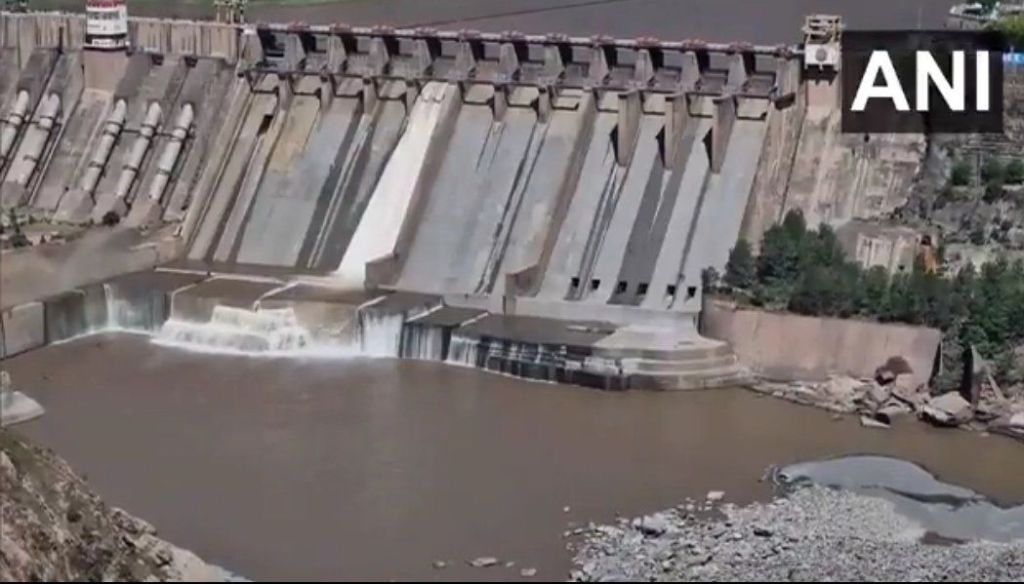
- Enhanced Hydropower Projects: India has continued to develop hydropower projects on the rivers allocated to it, emphasizing their importance for domestic energy needs and economic development. This has, at times, led to concerns from Pakistan regarding potential impacts on its water share. The government’s justification often centers on the treaty’s allowance for hydropower generation, provided it doesn’t significantly impede downstream water flow.
- Focus on Water Security: The government has placed a strong emphasis on water security for India, particularly in light of climate change and growing water demands. This has translated into investments in water management infrastructure and technologies to optimize water use and mitigate potential shortages. This focus indirectly affects the IWT by ensuring India’s efficient utilization of its allocated water resources.
- Strengthening Dispute Resolution Mechanisms: While not publicly altering the treaty’s mechanisms, the Modi government has likely engaged in behind-the-scenes diplomatic efforts to address concerns and resolve disputes related to water sharing. The specifics of these engagements are often kept confidential, making it difficult to assess their full impact.
- Limited Public Statements: It’s important to note that the Indian government’s public statements on the IWT have been relatively restrained. This contrasts with the more vocal pronouncements from Pakistan, which frequently raises concerns about India’s actions. This cautious approach may reflect a strategic decision to avoid escalating tensions and maintain a focus on practical water management.
Challenges and Future Outlook:
The IWT continues to face challenges, including:
- Climate Change Impacts: The changing climate poses a significant threat to water availability in the Indus basin, potentially exacerbating existing tensions.
- Transboundary Cooperation: Effective cooperation between India and Pakistan remains crucial for the treaty’s successful implementation, but this has been hampered by political tensions.
- Infrastructure Development: The ongoing development of hydropower projects and other water infrastructure requires careful management to avoid negatively impacting downstream water users.
The future of the IWT hinges on a delicate balance between India’s need to secure its water resources and the need for continued cooperation with Pakistan. While the Modi government’s approach has been characterized by a stronger assertion of India’s rights under the treaty, the ultimate goal remains the sustainable management of the Indus river system. Further developments and more transparent communication from both sides are crucial for ensuring the long-term viability of this critical agreement.
 Atul Kumar Chaudhry
Leave a comment